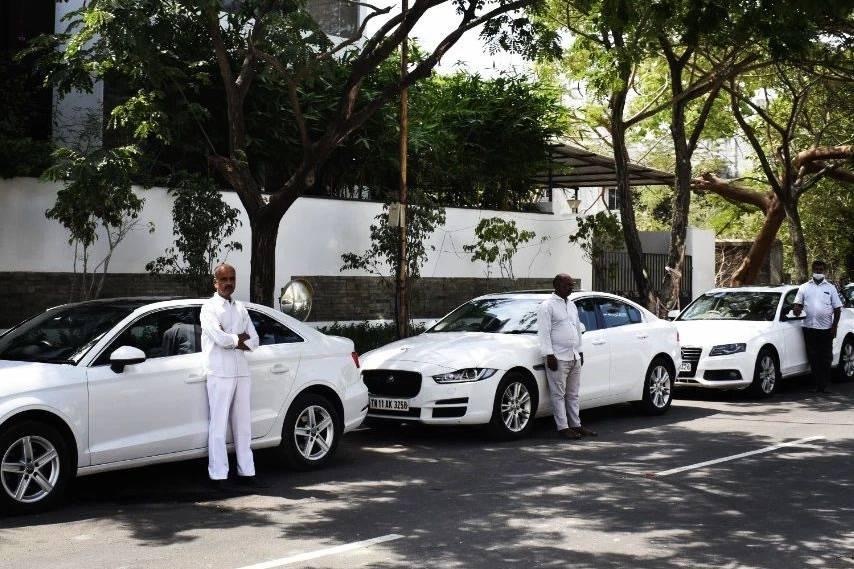
Why Tamil Nadu Is Entering a Driver Shortage Decade (FY 2024–FY 2026)
Tamil Nadu is not facing a vehicle shortage. It is facing a driver shortage decade. Between FY 2024 and FY 2026, passenger vehicles increased.
- Commercial vehicles increased.
- Tourism increased.
- Logistics increased.
- Corporate mobility increased.
But trained driver availability did not grow at the same speed.
This gap is now quietly affecting:
- automobile dealerships
- fleet operators
- MSMEs
- institutions
- households
- logistics companies
Let’s examine what the numbers actually say.
Vehicle Growth Is Real — And Accelerating
Across India:
Passenger Vehicle Sales
- FY 2024: 42.7 lakh units
- FY 2025: 43.0 lakh units
- FY 2026 (est.): 46.4 lakh units
Growth resumed strongly in FY26 after stabilization in FY25.
This means mobility demand is entering a second expansion phase.
Commercial Vehicle Sales
Commercial vehicles directly create professional driver demand.
- FY 2024: 9.69 lakh units
- FY 2025: 9.56 lakh units
- FY 2026 (est.): 10.79 lakh units
Unlike passenger cars, commercial vehicles require multiple drivers
per vehicle lifecycle.
So even moderate growth here creates large workforce pressure
downstream.
Tamil Nadu: A High Driver-Demand State
Tamil Nadu is not just another automobile market.
It is:
- a manufacturing powerhouse
- a logistics corridor state
- a tourism movement hub
- a corporate mobility region
- a household-driver-dependent
urban ecosystem
Which means driver demand grows faster than the national average.
Simply put:
More vehicles here translate directly into more driver jobs.
The Hidden Driver Requirement Model
For every 100 new passenger vehicles added, the ecosystem
typically generates demand for:
Driver Type Demand Created
Personal drivers 12–18
Acting drivers 8–15
Badge drivers 5–10
Total:
👉 25–40 drivers per 100 vehicles
Now apply that logic to Tamil Nadu’s annual expansion.
Result:
Tamil Nadu requires approximately
2.0 to 2.5 lakh additional drivers Every Year
Passenger vehicles alone.
Commercial vehicles add another layer of demand.
Commercial Vehicles Multiply Driver Demand
One commercial vehicle rarely runs on one driver.
Typically:
- 1 primary driver
- 1 alternate driver
Effective requirement:
👉 1.6 to 2 drivers per vehicle
This explains why shortages first appear in:
- logistics companies
- school transport operators
- tourist vehicle operators
- institutional fleets
Before reaching households.
The Rise of Three Driver Segments in Tamil Nadu
The driver ecosystem is evolving into three clear categories.
Understanding this helps automobile businesses respond early.
1.Personal Drivers
Demand drivers:
- dual-income households
- senior citizen families
- school commute needs
- corporate professionals
Typical salary (FY 2024–26):
👉 ₹20,000 – ₹32,000/month
Availability is tightening fastest in Tier-2 cities.
2. Badge Drivers
These drivers operate:
- tourist vehicles
- school vans
- company fleets
- taxi platforms
- institutional vehicles
They require additional authorization beyond a normal licence.
Typical salary:
👉 ₹25,000 – ₹40,000/month
Demand here is expanding rapidly with airport connectivity and tourism
recovery.
3. Acting Drivers
This is Tamil Nadu’s fastest-growing flexible workforce segment.
Used for:
- weekend driving
- emergency coverage
- hospital trips
- event travel
- outstation assignments
Typical daily earning:
👉 ₹1,000 – ₹3,000/day
Urban families increasingly depend on them.
Yet supply remains unorganized.
Why the Automobile Industry Must Pay Attention Now
Traditionally, vehicle ecosystems tracked:
sales → delivery → service → resale
But now a missing layer has emerged:
Driver availability
Without drivers:
- fleet utilization drops
- customer satisfaction declines
- logistics slows
- corporate deployment delays
- household adoption reduces
Driver supply is becoming part of mobility infrastructure itself.
Not just hiring.
The MSME Reality Across Tamil Nadu & Puducherry
Across:
- factories
- trading companies
- hospitals
- schools
- service businesses
- distributors
- logistics operators
driver hiring happens continuously.
Yet most hiring still depends on:
- referrals
- security guards
- local brokers
- WhatsApp messages
This model cannot support FY24–FY26 vehicle growth.
Structured driver discovery is becoming essential.
Why This Gap Matters More Than It Appears
A driver shortage creates ripple effects:
- fleet expansion slows
- operating costs increase
- customer commitments get delayed
- revenue opportunities reduce
- compliance risks increase
Mobility reliability becomes uncertain.
And that impacts business confidence.
Tamil Nadu Is Not Facing a Vehicle Shortage
It is entering a:
Driver Shortage Decade
Between FY 2024 and FY 2026:
- Vehicles increased
- Logistics increased
- Tourism increased
- Corporate mobility increased
But trained driver availability did not scale at the same rate.
This is no longer just a recruitment issue.
It is becoming a mobility infrastructure issue.
Where the Ecosystem Needs Support Now
Tamil Nadu requires structured access to:
- personal drivers
- badge drivers
- acting drivers
- commercial vehicle drivers
Both metros and non-metro districts.
This is precisely where mobility-hiring workforce platforms for MSMEs are
gaining importance.
Because the next phase of growth in the automobile sector won’t just be
about units sold.
It will be about the availability of drivers as well.