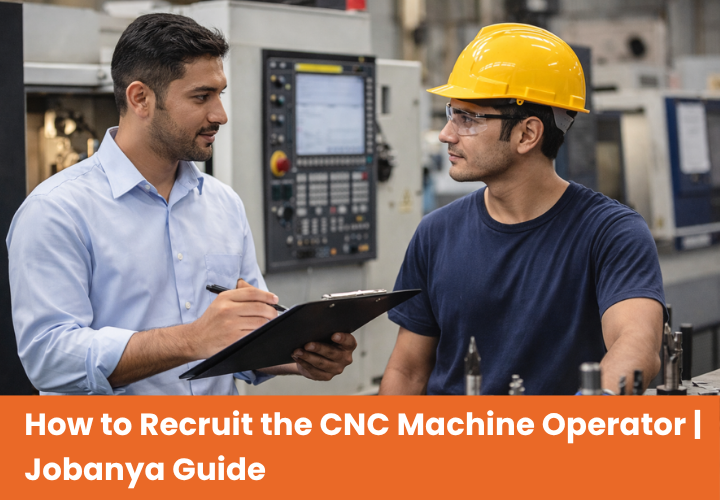
A CNC machine operator is at the core of modern industrial production, as they are responsible for turning raw materials into highly precise parts. If you find the best talent to fill this key position, you can ensure the smooth running of your production lines safely and efficiently.
In this blog, we explore comprehensive details of the CNC operator recruitment process and CNC machinist hiring tips to help you find the best candidates for your manufacturing plant.
Understanding the Role of a CNC Machine Operator
One of the most important positions on any shop floor is the CNC machine operator, who sets up, maintains, and operates computer-controlled machines.
The operator makes sure that the machinery runs a particular programme for cutting, shaping, and finishing metal or plastic parts.
Key Skills and Qualifications to Look For
Ensure the selection is carried out after careful monitoring of their capabilities.
The key skills to look for are as follows:
- Ability to read blueprints and interpret CAD/CAM files.
- Adjusting machine settings on the fly to correct inaccurate deviations.
- Strict observation of workshop safety measures.
Creating a Clear CNC Operator Job Description
Specify the exact types of machines the candidate will be working with (e.g., lathes, mills) and the control systems (e.g., Fanuc or Siemens) used by your facility.
Outline the daily responsibilities, working hours and any physical requirements required for the job.
Sourcing Candidates – Where to Find Skilled CNC Operators
The best way to get highly skilled operators is through collaborations with local trade schools and technical colleges.
Also, Jobanya and other professional networking sites are also a good places to post your well-defined job descriptions.
Screening and Shortlisting Candidates
As soon as the applications start coming in, you should filter the CVs efficiently.
Preliminary screening in the CNC operator hiring process is used to narrow the talent pool to individuals with the foundational knowledge needed to advance to the next stage.
Conducting Technical Skill Assessments
The recruitment process is followed by practical tests to assess a candidate's actual potential.
They should be asked to read a complex blueprint, measure a part with a micrometre and callipers, or explain how they would troubleshoot a common machine error.
Interview Questions for CNC Machine Operators
A face-to-face interview enables you to determine cultural fit and problem-solving abilities.
Ask situational questions like, “How do you handle a situation when a machine is out of tolerance?” or "Can you describe a time you identified a safety hazard and how you addressed it?”
Verifying Experience and Certifications
Always seek advice from past employers. Carry out the employee’s reference checks to ascertain the candidate's work ethic, punctuality, and technical claims.
In addition, make sure that you check any trade certifications or apprenticeships that they mentioned on their application.
Offering Competitive Salary and Benefits
To attract the best talent, the compensation package must align with industry standards.
Offer a competitive base salary with benefits like full healthcare, overtime pay and opportunities for career advancement within the organisation.
Onboarding and Training Process
Onboarding and training are the next steps in industrial worker recruitment.
Note the following points for a smooth transition:
- Familiarise them with the emergency stop protocols and safety equipment requirements.
- Assign them a senior operator for shadowing during their first couple of weeks.
- Keep a regular check on their progress and give constructive feedback.
Common Mistakes to Avoid While Hiring
Soft skills such as teamwork and communication should not be ignored, as an operator needs to coordinate smoothly with programmers and quality control inspectors.
Moreover, the inability to practice practical skills before making an offer poses a risk of costly manufacturing mistakes.
Benefits of Hiring Through Recruitment Agencies
If the process looks overwhelming, partnering with a specialised recruitment agency can be very advantageous.
These agencies maintain extensive databases of pre-vetted skilled candidates and know the nuanced requirements of the manufacturing industry, which helps you save time and resources.
Conclusion
At the end of the day, a meticulous CNC operator hiring process is the most essential part to take care of for a productive manufacturing floor. With a focus on targeted sourcing, practical testing, and comprehensive onboarding, you can bring the most promising industrial talent under a single roof.